
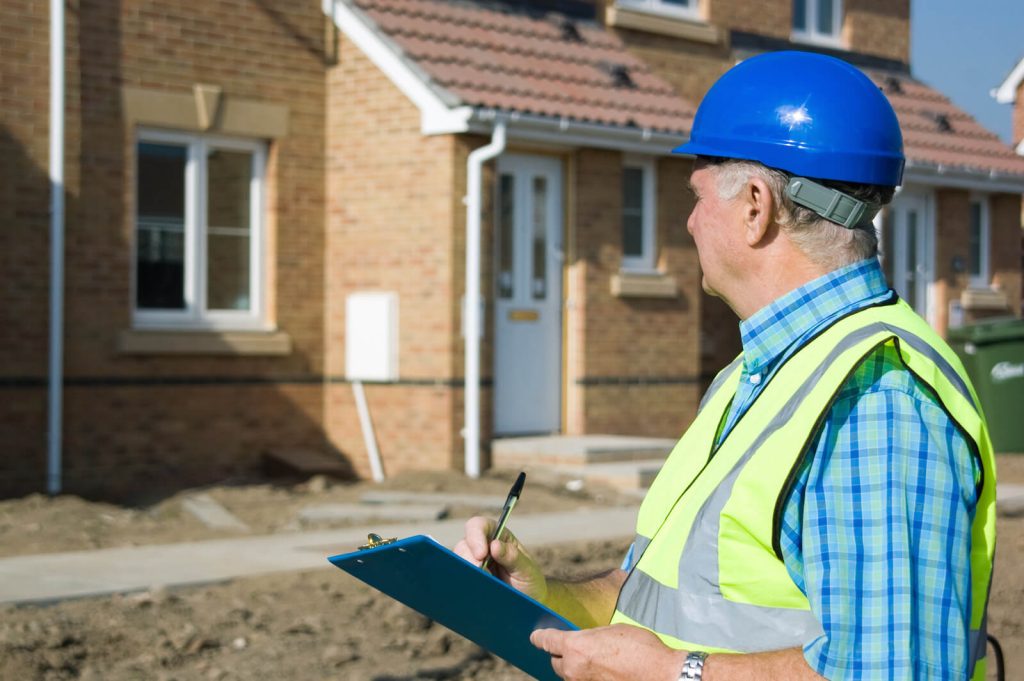
Choosing a surveyor is one of the few decisions in a property purchase that can genuinely affect the outcome. Get it right and you go into exchange with a clear picture of what you’re buying. Get it wrong and you may find yourself in a property with problems you weren’t told about, or paying over the odds for one that had issues the report should have caught.
The London market makes this more complicated than it should be. There’s no shortage of people offering surveys. The range runs from large national firms processing volume to small independent practices where a qualified chartered surveyor personally inspects every property they report on. The credential, the experience, and the approach vary significantly, and the cheapest option is rarely the most useful one.
This guide covers what to look for when choosing a surveyor in London, the questions worth asking before you book, and the patterns that suggest a firm may not serve you well. By the end, you’ll know what a genuinely useful survey looks like and what separates it from a report that ticks boxes without really telling you anything.
Why RICS Regulation Matters
The starting point is RICS regulation. The Royal Institution of Chartered Surveyors sets the professional standards that govern how surveys are conducted, how findings are reported, and how surveyors must act in their clients’ interests. A RICS-regulated surveyor has met formal competency requirements, holds professional indemnity insurance, and is accountable to a professional body that can investigate complaints.
The RICS designations you’re most likely to encounter are MRICS (Member of the Royal Institution of Chartered Surveyors) and FRICS (Fellow of the Royal Institution of Chartered Surveyors). Both carry full professional standing. FRICS typically reflects longer experience and a demonstrable contribution to the profession, though both qualifications represent a high standard of competency.
Anyone can call themselves a property surveyor without holding a RICS qualification. That’s worth knowing. If the firm doesn’t display RICS membership and can’t confirm who the qualified surveyor conducting the inspection is, look elsewhere.
You can verify a surveyor’s RICS membership directly through the official RICS register.
Understanding the Survey Types Before You Choose
Part of choosing a surveyor is knowing which survey you need. The two main options for residential buyers are the RICS Level 2 Homebuyer Report and the RICS Level 3 Building Survey. They’re both thorough professional assessments. The difference is the level of analytical depth and the detail in which the surveyor comments on condition, cause, and recommended action.
RICS Level 2 Homebuyer Report
The Level 2 is appropriate for most standard residential properties in reasonable condition. It follows a structured format, assesses the main elements of the building, and uses a traffic-light rating system to flag issues by severity. It’s a strong, reliable report for a buyer who needs a professional assessment of the property’s condition without requiring exhaustive technical commentary on every element.
RICS Level 3 Building Survey
The Level 3, sometimes called a full structural survey or building survey, is suited to older properties, those with visible defects, non-standard construction, or where the buyer wants the highest level of detail. The surveyor provides a more in-depth analysis of each element, including comment on likely causes of defects and guidance on remedial options. It’s the appropriate choice for a Victorian or Edwardian terrace, a listed building, or a property where condition is genuinely uncertain.
If you’re unsure which level of survey is appropriate for your property, our guide on RICS Level 2 vs Level 3 — which survey do I need?, explains the differences in plain terms.
What to Look For in a RICS Surveyor
Local Knowledge of London’s Housing Stock
London’s residential property covers an enormous range of ages, construction types, and conditions. A Victorian terraced conversion in Hackney presents different structural considerations to a post-war maisonette in Croydon or a modern flat in Canary Wharf. A surveyor with genuine experience of London property will know the common defects associated with each property type and what to look for on inspection.
Ask the firm whether their surveyors have experience with the specific type and age of property you’re buying. A good firm will be direct about this. One that gives you a generic answer about experience probably hasn’t thought about it.
Who Actually Conducts the Inspection?
This is one of the most important questions you can ask, and one that many buyers don’t think to raise. Some larger survey firms use the RICS brand to market services but sub-contract inspections to self-employed surveyors with varying levels of experience and oversight. Others deploy trainees or unqualified staff on site and have a qualified surveyor sign off the report remotely based on notes.
You want a MRICS or FRICS-qualified surveyor personally conducting the inspection and writing the report. Ask directly: who will be on site, what are their qualifications, and will they be the person producing the report? An independent firm where the chartered surveyor handles the job personally from inspection to delivery is almost always preferable to a volume operation.
Turnaround and Communication
A survey report is time-sensitive. You’re likely working to a conveyancing timeline, and delays in receiving the report can create pressure at exactly the wrong moment. Ask the firm what their typical turnaround is from inspection to report delivery, and whether they’re contactable to discuss findings once you’ve read the report.
Being able to speak to the surveyor who inspected the property is genuinely valuable. If something in the report raises a question, you want to be able to pick up the phone and get a straight answer from the person who was in the building. Not all firms offer this.
Professional Indemnity Insurance
Any RICS-regulated surveyor is required to hold professional indemnity insurance. This protects you if the surveyor fails to identify a significant defect that they should reasonably have found on inspection, and you suffer a financial loss as a result. It’s worth confirming this is in place, though a genuine RICS firm will have no hesitation confirming it.
Questions to Ask a Surveyor Before Hiring
These are the questions worth putting to any firm before you book. A confident, experienced surveyor will answer all of them without hesitation. Vague or evasive responses tell you something useful.
- Are you RICS-regulated, and will the surveyor conducting the inspection hold MRICS or FRICS membership?
- Will the same surveyor carry out the inspection and write the report?
- Do you have experience surveying properties of this type and age in this area?
- What is your typical turnaround from inspection to report delivery?
- Can I speak to the surveyor directly after receiving the report if I have questions?
- Do you hold professional indemnity insurance?
- What does the report cover, and what falls outside its scope?
- What is included in your fee, and are there any additional costs?
That last question matters more than buyers often realise. Some firms quote a headline fee and then charge separately for roof space inspections, drainage comments, or calling back to discuss findings. A reputable firm will be upfront about what the fee covers.
What to Avoid When Choosing a Surveyor in London
The Estate Agent Recommendation
Estate agents sometimes recommend surveyors. This isn’t always inappropriate, but it’s worth understanding the dynamic. The agent’s primary interest is completing the sale. A surveyor who regularly flags significant issues may not be their preferred recommendation. Use their suggestion as a starting point if you want, but do your own research before booking.
Price-Led Comparisons
Surveys are not a commodity. The cost of a survey in London reflects the size and age of the property, the level of survey, and the quality of the firm. Choosing on price alone is a false economy. A survey that misses a significant defect can leave you facing repair costs that dwarf the difference in survey fees. Compare firms on qualification, experience, and approach, not just the number at the bottom of the quote.
Online-Only or App-Based Survey Services
A number of services have emerged that offer surveys at reduced cost through technology-led models. Some are credible. Others rely on desktop assessments, limited inspection time, or report templates with minimal personalisation to the specific property. If you’re buying a London property of any age or complexity, you want a surveyor who has walked every accessible part of that building and written a report that reflects what they actually found.
Unnamed or Unverifiable Surveyors
If a firm won’t tell you the name of the surveyor who will inspect the property before you book, that’s a red flag. You should be able to verify their RICS membership through the public register before handing over any money.
RICS publishes guidance on what to expect from a surveyor and the standards they must meet.
How Much Does a Survey Cost in London?
Survey fees in London vary depending on the property’s size, age, and location, and the level of survey. As a rough guide, a Level 2 Homebuyer Report for a standard flat or terraced house typically falls in the range of £400 to £600, while a Level 3 Building Survey for a larger or older property can range from £600 upwards, with older or more complex buildings at the higher end.
These are not fixed figures and firms set their own fees, but they give you a realistic baseline for what a genuine survey from a qualified RICS surveyor should cost. Significantly lower prices usually reflect a reduced scope, limited inspection time, or a template-led report rather than a genuinely tailored assessment.
For more on what a Level 3 survey covers and when it’s the right choice, read our guide to RICS Level 3 Building Surveys.
Choosing the Right Surveyor: The Bottom Line
The best surveyor for your London property purchase is a RICS-regulated chartered surveyor with direct, personal experience of similar properties in the same area, who will conduct the inspection themselves, produce the report under their own name, and be available to talk you through the findings. That’s not a complicated brief. It’s just harder to find when you’re picking from a list of quotes rather than asking the right questions.
Somerset & Sinclair is an independently owned, RICS-regulated chartered surveying practice based in Covent Garden. Our MRICS-qualified surveyors carry out every inspection personally and produce every report themselves. We cover London and the wider South East.
To book a survey or ask a question before you commit, contact us here, or call 020 4587 3343. We’re available Monday to Saturday 9am to 5:30pm and Sunday 10:30am to 4:30pm.
Frequently Asked Questions
1. How do I choose a surveyor in London?
Look for a RICS-regulated firm where a MRICS or FRICS-qualified chartered surveyor will personally conduct the inspection and produce the report. Ask who will be on site, whether they have experience with the property type and age you’re buying, and what the turnaround time is. Avoid choosing purely on price, and be cautious of estate agent recommendations where a conflict of interest may exist.
2. What qualifications should a good surveyor have?
The key qualification to look for is MRICS (Member of the Royal Institution of Chartered Surveyors) or FRICS (Fellow of the Royal Institution of Chartered Surveyors). Both represent full professional standing and are regulated by the RICS. You can verify any surveyor’s membership on the RICS public register at rics.org. Avoid firms that cannot name the qualified surveyor who will be conducting the inspection.
3. What is a RICS regulated surveyor in London?
A RICS-regulated surveyor in London is a professionally qualified member of the Royal Institution of Chartered Surveyors who holds MRICS or FRICS membership, adheres to RICS standards and ethics, and carries professional indemnity insurance. RICS regulation sets the benchmark for how surveys must be conducted, what they must cover, and how findings are reported. It’s the most widely recognised professional standard in UK property surveying.
4. What questions should I ask a surveyor before hiring them?
Before booking a survey, ask: Are you RICS-regulated? Who will conduct the inspection, and what are their qualifications? Do they have experience with this type and age of property? What is the turnaround time? Can I speak to the surveyor directly after receiving the report? What does the fee include, and are there any additional charges? A reputable firm will answer all of these confidently and without hesitation.
5. Should I use the surveyor recommended by my estate agent?
You can use their recommendation as a starting point, but do your own research before booking. Estate agents have an interest in completing the sale, which creates a potential conflict with a surveyor’s duty to report honestly on the property’s condition. Verify the firm’s RICS credentials independently, check reviews, and confirm who will actually conduct the inspection before committing.
6. How much does a survey cost in London?
Survey costs in London vary by property size, age, and type, and by the level of survey selected. As a general guide, a RICS Level 2 Homebuyer Report typically costs between £400 and £600, while a Level 3 Building Survey for an older or larger property can range from £600 upwards. Significantly lower prices often reflect a reduced inspection scope or a template-led report rather than a genuinely personalised assessment.
7. What is the difference between a Level 2 and Level 3 survey?
A RICS Level 2 Homebuyer Report is suited to standard properties in reasonable condition. It provides a structured assessment using a traffic-light rating system and covers the key elements of the building. A RICS Level 3 Building Survey offers a higher level of analytical depth, with more detailed commentary on condition, likely causes of defects, and recommended remedial action. It’s the appropriate choice for older properties, unusual construction types, or where visible concerns exist.
8. Can a surveyor miss something on an inspection?
A surveyor assesses what is visible and accessible on the day of inspection. They’re not expected to lift floors, remove furniture, or open up the structure. That said, a qualified and experienced surveyor should identify defects that are reasonably apparent, and professional indemnity insurance exists to protect you if a significant and visible defect is missed. Choosing a fully qualified, personally attending RICS chartered surveyor significantly reduces the risk of a superficial inspection.
9. Do I need a survey on a new-build property in London?
New-build properties in London are typically covered by a developer warranty such as NHBC Buildmark. However, a snagging survey carried out before you complete, or shortly after moving in, is strongly recommended. A qualified surveyor will inspect the property for build defects, unfinished work, and specification failures that the developer is obliged to correct under the warranty. Many buyers regret not having one done before handing over the keys.
10. How long does a survey take in London?
The on-site inspection typically takes between two and four hours, depending on the size, age, and complexity of the property. Larger or older buildings with more accessible roof space, outbuildings, or visible defects take longer. Report delivery usually follows within three to five working days of the inspection, though this varies by firm. Ask about turnaround time before you book, particularly if you’re working to a tight conveyancing timeline.
11. What should a survey report include?
A RICS survey report should cover the main structural elements of the building, including the roof, walls, floors, windows, and services. It should identify any defects, rate them by severity, and provide guidance on what action is needed. A Level 3 report will include more detailed commentary on the likely cause of defects and the recommended remedial approach. The report should be specific to the property inspected, not a generic template with minimal personalisation.
12. Is Somerset & Sinclair a good surveyor in London?
Somerset & Sinclair is a RICS-regulated chartered surveying practice based in Covent Garden, London, with MRICS and FRICS qualified surveyors carrying out every inspection personally. The firm has 47 five-star Google reviews and over 25 years of combined experience in residential surveys and valuations across London and the Home Counties. Every report is produced by the chartered surveyor who conducted the inspection, not signed off remotely.