
RICS Level 2 Survey London
RICS Level 2 Survey London — Full Guide & Booking
- RICS Regulated
- MRICS and FRICS Qualified
- 47 Five-Star Google Reviews
- Based in Covent Garden, London
RICS Level 2 Surveys Across Greater London
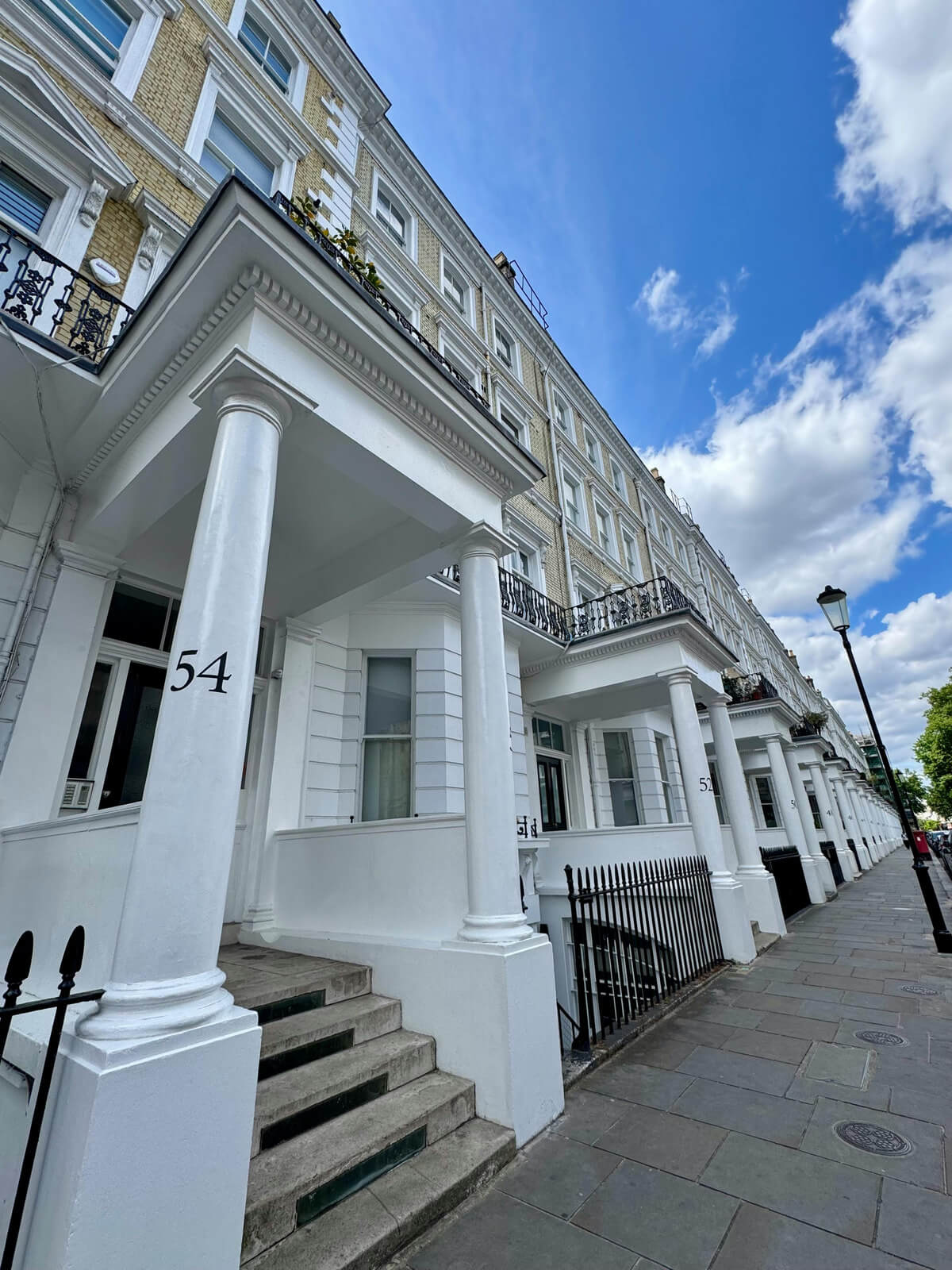
Somerset & Sinclair is an independently owned, RICS-regulated chartered surveying and property valuation firm based in Covent Garden, London. We carry out RICS Level 2 surveys across the whole of Greater London, from Central London and the City through to the outer boroughs, conducted by MRICS and FRICS qualified surveyors with more than 25 years of combined experience in the London residential market.
A RICS Level 2 survey is the most widely commissioned residential survey in England and Wales, and for good reason. It gives buyers an independent, professional assessment of a property’s condition before they exchange contracts, produced by a qualified chartered surveyor with no interest in whether the sale proceeds. That independence is precisely what makes it worth having.
Every instruction we take receives proper attention from a qualified professional. We’re not a volume operation. Our advice on survey type is always based on what the property needs, and our fees are confirmed before you book with nothing added afterwards.
What Is a RICS Level 2 Survey?
A RICS Level 2 survey, formally known as the RICS Home Survey Level 2, is a professional condition assessment of a residential property. It was previously called the HomeBuyer Report and was updated to its current format following the introduction of the RICS Home Survey Standard in 2021. The methodology and purpose are broadly the same as before: a visual inspection of all accessible and visible elements of the property, presented in a standardised format using the RICS condition rating system.
The survey is produced by a qualified MRICS or FRICS chartered surveyor. It is not produced by a junior inspector, a franchise operation, or an unregulated provider. RICS membership requires demonstrated professional competence, ongoing continuing professional development, and adherence to the RICS Code of Professional Conduct, which includes mandatory professional indemnity insurance.
What the Level 2 Survey Covers
The survey covers all accessible and visible elements of the property. The surveyor does not lift floorboards, remove panels, open sealed hatches, or test services beyond what is visually observable. Within those parameters, the inspection is thorough and systematic.
Elements assessed include:
- Roof structure and covering, where safe and reasonable access exists
- Chimney stacks, flashings, and associated elements
- External walls, render, cladding, and pointing
- Windows, external doors, and frames
- Internal walls, partitions, ceilings, and floors
- Roof space, where accessible via a hatch
- Damp, condensation, and moisture ingress — assessed using a moisture meter
- Drainage, gutters, and rainwater goods where visible
- Services where visible, including the consumer unit, boiler type and age, and pipework
- External areas within the property’s boundary
Where the surveyor cannot inspect an element, this is clearly noted in the report with an explanation of why access was not possible and a recommendation for further investigation where appropriate.
The RICS Condition Rating System
Every element of the property is assessed and assigned one of three condition ratings. Rating one means no significant issues have been identified and no immediate action is required. Rating two means the element requires attention or monitoring, and repairs or maintenance should be planned. Rating three means serious defects have been identified that require urgent specialist investigation before the buyer proceeds to exchange. The traffic light format makes the report immediately readable, regardless of the buyer’s level of property experience.
What the Survey Does Not Cover
The Level 2 survey is a visual inspection. It does not include specialist testing of gas, electrical, or drainage installations. It does not test boiler efficiency or electrical system safety. It does not involve intrusive investigation behind surfaces, beneath floor coverings, or within sealed voids. Where any of these are a concern, the survey will recommend the appropriate specialist investigation and the surveyor will explain what that involves.
RICS Level 2 vs Level 3: Which Survey Do You Need?
The most common question buyers ask before booking is whether they need a Level 2 or a Level 3 Building Survey. The answer depends on the property, not on a blanket rule about age or type.
When a Level 3 Building Survey Is More Appropriate
A Level 3 Building Survey provides a greater depth of technical analysis. It is suited to older properties, particularly pre-1930s construction, properties showing visible signs of structural movement or significant damp, those with major extensions or structural alterations, or properties of non-standard construction. It is also the more appropriate choice where the buyer intends to carry out substantial renovation work and needs to understand the building’s structure in detail.
If you’re not sure which survey is right for the property you’re buying, call us before you book. We’ll give you a straight answer based on the specifics.
When a Level 2 Survey Is the Right Choice
A Level 2 survey is appropriate for conventional residential properties in reasonable condition. That includes most purpose-built flats, modern houses built in the last 30 to 40 years, and standard brick-built period properties where there are no obvious signs of significant deterioration. For buyers purchasing these types of properties who want an independent professional assessment of condition, the Level 2 is the appropriate instruction.
RICS Level 2 Survey Costs in London
Survey fees in London reflect the size, value, and complexity of the property being inspected. A Level 2 survey for a standard one or two-bedroom flat typically starts from around £400 to £500, with fees rising proportionally for larger properties or those with more complex layouts or higher market values.
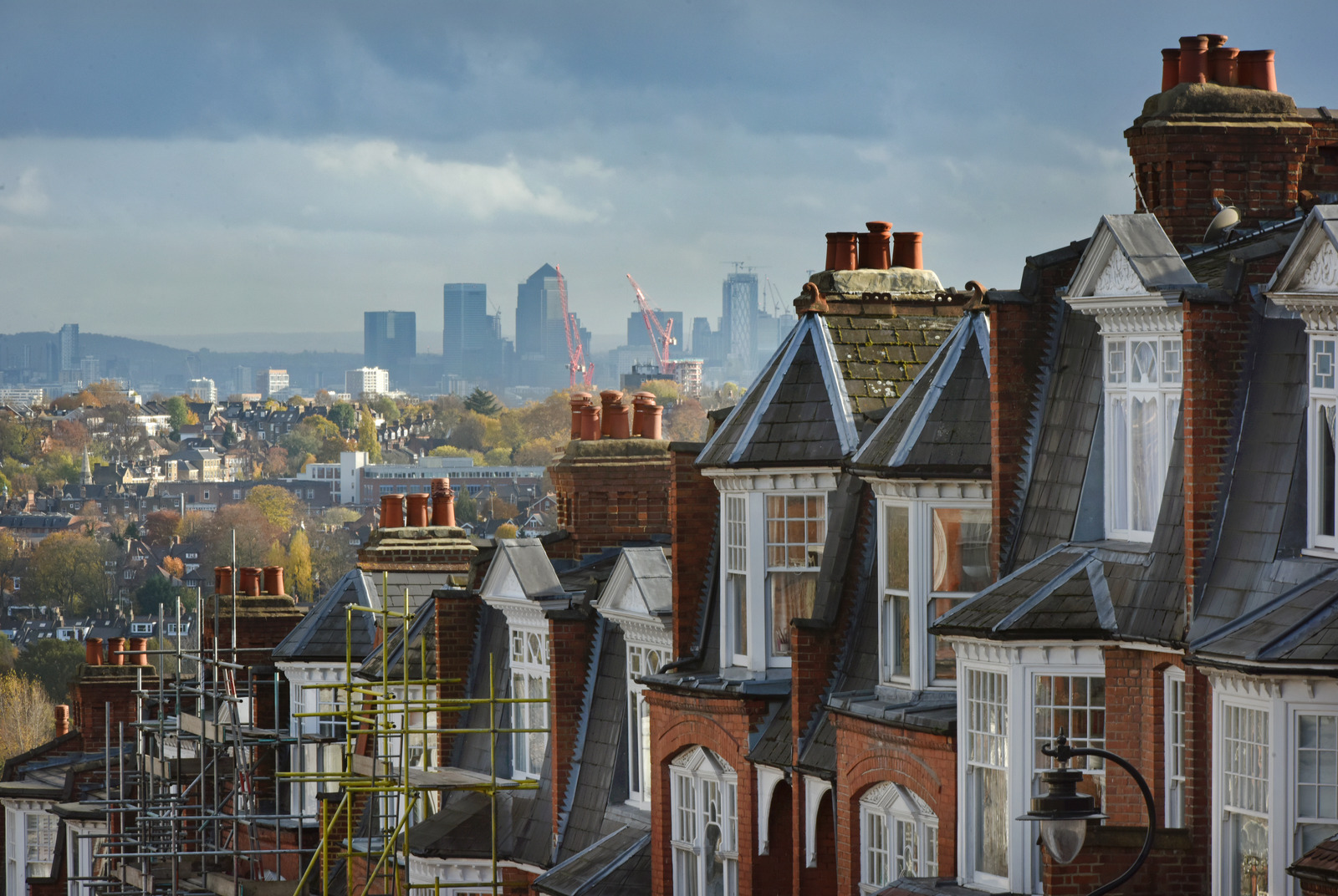
London fees sit at the upper end of the national range. This reflects the professional liability associated with higher property values, the travel and logistics involved in surveying across the capital, and the complexity of a housing stock that spans everything from Georgian townhouses and Victorian terraces to post-war estates and modern high-rise developments.
What the Fee Includes
Your survey fee covers the full on-site inspection by a MRICS or FRICS qualified surveyor, the written report produced to the RICS Home Survey Standard, and professional indemnity insurance. There are no add-ons, no administration charges, and no invoice that differs from what you were quoted. At Somerset & Sinclair, your fee is confirmed before you book.
Is a Level 2 Survey Worth the Cost?
Measured against the value of the transaction and the potential cost of undetected defects, a Level 2 survey is one of the most straightforward investments a buyer can make. Buyers who skip surveys and discover defects after completion have no recourse to the seller for issues that were present but unknown at the time of purchase. Discovering the same defects before exchange gives you choices — to renegotiate, to request remedial works, or to withdraw — that you simply don’t have after contracts are signed.
Why a Survey Matters in the London Market
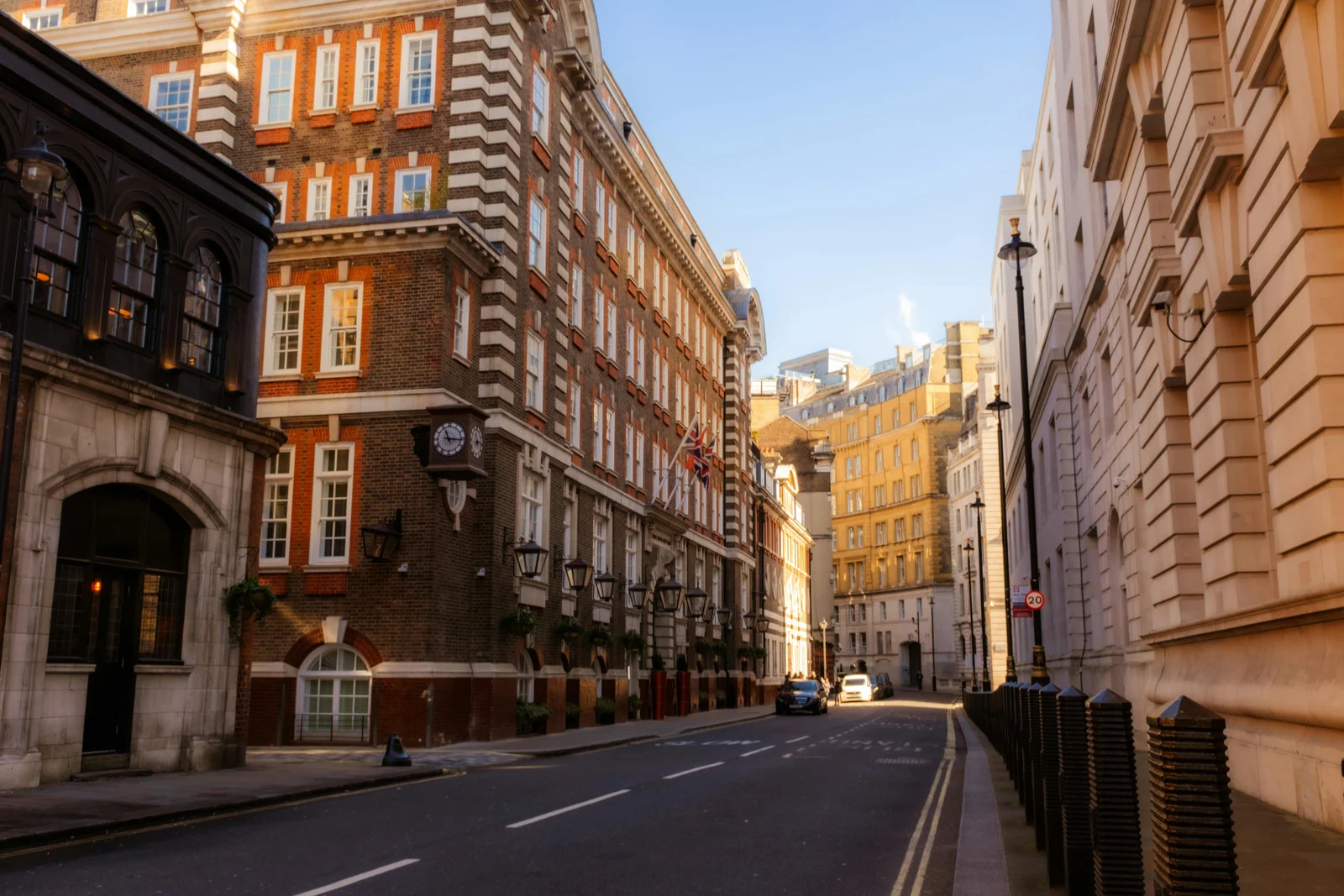
London’s property market is competitive, fast-moving, and driven heavily by price. That combination pushes buyers towards skipping surveys, particularly when a seller is pressing for a quick exchange or when a property looks immaculate on a viewing. It is precisely in these circumstances that a survey earns its value most clearly.
A viewing is not an inspection. An estate agent is not a structural professional. Fresh paint can conceal damp. New flooring can sit over a defective subfloor. A recently replaced tile roof can hide failing timbers and deteriorating felt beneath. The survey is the instrument that tells you what the property actually is, independent of how it’s been presented for sale.
Common Defects Found in London Properties
London’s housing stock is among the oldest and most varied in the country. Our surveyors regularly identify:
- Damp and water ingress, particularly in basement, lower-ground floor, and ground-floor properties
- Structural movement and cracking in Victorian and Edwardian terraced housing related to London clay subsoil
- Defective flat roofs on rear extensions and outbuildings
- Chimney stack deterioration and failed lead flashings
- Drainage defects in older clay and cast-iron pipework
- Evidence of previous underpinning or structural remediation
- Timber defects including wet rot, dry rot, and insect infestation in older properties
- Services approaching or past the end of their serviceable life in pre-1960s properties
None of these findings automatically mean a purchase should not proceed. What they mean is that a buyer should know about them before exchange, not after.
How to Use Your Survey Report
Understanding the Findings
When you receive the report, read it in full before acting on individual findings. The condition ratings are the most important element. Condition rating three findings are serious and require specialist investigation before exchange. Rating two findings require attention and often form the basis of price negotiations with the seller. Rating one means no action is required. The report will also include a limitations section covering areas the surveyor could not inspect, and why.
Renegotiating on the Basis of Survey Findings
A RICS Level 2 survey report is a formal document produced by a regulated professional. If defects are found, you have a credible, professionally evidenced basis to approach the seller for a price reduction or to request that specific works are carried out before exchange. Your solicitor will advise on how to approach that conversation. The report is your evidence, and a report from a RICS-regulated surveyor carries the professional weight that negotiation requires.
When to Commission Specialist Reports
Where the Level 2 survey identifies issues requiring further investigation, the report will specify what specialist assessment is needed. This might be a structural engineer for movement and cracking, a specialist damp contractor for moisture issues, a CCTV drainage survey, a Gas Safe engineer, or an NICEIC electrician. These specialist reports give you accurate remediation costs, which in turn support a renegotiation with the seller based on evidence rather than estimates.
Step by Step
The Level 2 Survey Process — Step by Step
1. Booking
Contact us with details of the property. We'll confirm your fee and availability, discuss the property with you, and arrange the inspection at a time that works for all parties. We do not require payment before the inspection is carried out.
2. The Inspection
The surveyor carries out a thorough on-site inspection of all accessible and visible elements. The inspection typically takes between one and a half and three hours depending on the size and complexity of the property. The surveyor takes detailed notes and photographs throughout and will not disturb any fixed elements of the building.
3. The Report
The written report is returned within a few working days of the inspection. It covers every element assessed, with condition ratings, explanatory commentary, and recommendations for further investigation where findings warrant it. The report is produced to the RICS Home Survey Standard and is a formal professional document.
4. After the Report
If you have questions about the findings, you can speak directly with the surveyor who carried out the inspection. If the report identifies findings that warrant negotiation with the seller, your solicitor will advise on the appropriate approach. We are available to discuss findings with you throughout the process.
Surveys for Different Property Types in London
Victorian and Edwardian Houses
Victorian and Edwardian terraced housing makes up a significant proportion of London's residential stock and is among the most common property type we survey. Solid wall construction, lime mortar, older roof structures, and London clay subsoil create a specific set of risks that a Level 2 survey is well placed to assess. Where significant defects are found or suspected, a Level 3 Building Survey provides greater analytical depth.
Purpose-Built Flats
A Level 2 survey on a purpose-built flat covers the internal condition of the specific unit being purchased, which becomes the leaseholder's responsibility from completion. The survey identifies damp, water ingress from adjacent or upper properties, the condition of visible services, and anything else within the demised area that might affect condition or value. It does not cover the building's structure or common areas, which are the freeholder's responsibility.
Converted Period Flats
Converted period flats combine the structural characteristics of older buildings with the additional complexity of conversion works carried out to varying standards over the years. A Level 2 survey will assess what is visible and accessible within the flat, note any indications of structural movement in the host building, and flag any concerns about the quality of the conversion where these are observable.
New-Build and Modern Properties
Modern properties built in the last 20 to 30 years to conventional brick-and-block or timber-frame specifications are generally well-suited to a Level 2 survey. Where a new-build property is still within its developer's warranty period, a snagging inspection may be more appropriate than a full Level 2 survey. We can advise on the right approach before you book.
Ex-Council and Non-Standard Construction
Ex-local authority properties and those of non-standard construction, including concrete panel, large panel system, and steel-framed buildings, present specific considerations at both the flat level and the building level. A Level 2 survey covers the internal condition of the unit; the building's construction type and any implications for mortgage lending should be confirmed with your solicitor and mortgage broker separately.
what a RICS Level 2 survey covers

Areas We Cover Across London
Somerset & Sinclair carries out RICS Level 2 surveys across the whole of Greater London. We cover all 32 London boroughs and the City of London, including:
- Central London: Westminster, City of London, Kensington and Chelsea, Hammersmith and Fulham
- North London: Camden, Islington, Haringey, Barnet, Enfield
- South London: Wandsworth, Lambeth, Southwark, Lewisham, Croydon
- East London: Hackney, Tower Hamlets, Newham, Waltham Forest, Redbridge
- West London: Ealing, Hounslow, Richmond upon Thames, Kingston upon Thames
- Outer London: Bromley, Bexley, Greenwich, Havering, Sutton, Merton
We also cover Surrey, Berkshire, Hertfordshire, and Buckinghamshire. National instructions can be discussed on enquiry.
WHY CHOOSE US
Why London Buyers Choose Somerset & Sinclair
MRICS and FRICS Qualified on Every Instruction
Every survey we carry out is conducted by a Chartered Surveyor holding MRICS or FRICS membership. These are substantive professional qualifications requiring demonstrated competence, ongoing development, and compliance with the RICS Code of Professional Conduct. You are not paying for a junior inspector or a franchised volume operation.
25 Years of Combined Experience Across London's Housing Stock
London's property market is unlike anywhere else in the country. Victorian terraces, mansion block conversions, post-war estates, warehouse conversions, and modern high-rise developments each carry their own specific characteristics. Our surveyors have worked across all of them. That depth of local experience is directly relevant to the quality of the assessment you receive.
Independently Owned, With No Conflicts of Interest
Somerset & Sinclair has no commercial relationship with estate agents, developers, or mortgage lenders. Our sole obligation on every instruction is to the buyer who commissioned the survey. That independence is what gives the report its value and is why buyers commission surveys in the first place.
47 Five-Star Google Reviews
Our reviews reflect what buyers actually experience: thorough, detailed reports, honest pre-booking advice on the right survey level, and findings presented in a way that supports informed decision-making. We'd rather tell you that a property warrants a Level 3 Building Survey than take a Level 2 instruction that doesn't give you what the building requires.
Transparent Fees, Confirmed Before You Book
Your fee is confirmed before you commit to anything. There are no additions after the inspection, no administration charges, and no invoice that differs from the figure you were given. The price we quote is the price you pay.
Book Your Survey or Valuation Today
Ready to Book Your London Survey?
If you’ve had an offer accepted on a London property, now is the time to get your survey instructed. We’ll confirm your fee before you commit to anything and can usually arrange the inspection within a few working days.
FAQ
Frequently Asked Questions
What is a RICS Level 2 survey?
A RICS Level 2 survey, formerly known as the HomeBuyer Report, is a professional condition assessment of a residential property carried out by a MRICS or FRICS qualified chartered surveyor. It covers all accessible and visible elements of the property using the RICS condition rating system, assigning every element a rating of one, two, or three to indicate the urgency of any action required. It is the most widely commissioned residential survey in England and Wales and is produced to the RICS Home Survey Standard.
How much does a RICS Level 2 survey cost in London?
A RICS Level 2 survey in London typically starts from around £400 to £500 for a standard one or two-bedroom flat, with fees rising proportionally for larger properties, more complex layouts, or higher-value instructions. London fees sit at the upper end of the national range, reflecting the professional liability associated with higher property values and the complexity of the capital’s housing stock. At Somerset & Sinclair, your fee is confirmed before you book with no additions after the fact.
How is a Level 2 survey different from a Level 3 Building Survey?
Both surveys are professional assessments carried out by RICS-qualified surveyors. The Level 2 is a standardised condition assessment using the RICS traffic light rating system, suited to conventional properties in reasonable condition. The Level 3 Building Survey provides a greater depth of technical analysis, with detailed commentary on construction methods, probable causes of defects, and specific repair recommendations tailored to the individual property. For older, larger, or more complex properties, the Level 3 provides considerably more information.
Do I need a survey if my mortgage lender has done a valuation?
Yes. A mortgage valuation is produced for the lender’s benefit and confirms the property is adequate security for the loan. It does not assess the property’s condition in any meaningful detail and is not designed to protect the buyer’s interests. A RICS Level 2 survey is a separate instruction, commissioned and paid for by the buyer, produced entirely for the buyer’s benefit. The two serve completely different purposes and one does not replace the other.
Can I use the survey report to negotiate the purchase price?
Yes. If the report identifies defects or conditions requiring attention, you have a formally produced document from a RICS-regulated professional to support a price renegotiation. This might be a price reduction or a request for the seller to carry out specific works before exchange. Your solicitor advises on approach, but the survey report is the evidence that makes those conversations credible and professionally grounded.
How long does a RICS Level 2 survey take?
The on-site inspection typically takes between one and a half and three hours, depending on the size and complexity of the property. Larger properties, those with outbuildings, basements, or significant areas of concern will take longer. The written report is usually returned within a few working days of the inspection. At Somerset & Sinclair, turnaround is prompt without compromising on the quality or depth of the assessment.
What areas of London do you cover for Level 2 surveys?
Somerset & Sinclair covers the whole of Greater London, including all 32 boroughs and the City of London. We also cover Surrey, Berkshire, Hertfordshire, and Buckinghamshire. Whether you’re buying in Central London, the inner boroughs, or the outer zones, we can carry out your survey. Contact us with details of the property and we’ll confirm availability.
How do I book a RICS Level 2 survey in London?
Contact Somerset & Sinclair by phone on 020 4587 3343, by email at info@somersetsinclair.co.uk, or through the contact form on our website at somersetsinclair.co.uk. We’ll discuss the property with you, confirm the right survey level, and provide a clear fee before you commit to anything. We’re available Monday to Saturday 9am to 5:30pm and Sunday 10:30am to 4:30pm.
Book Your Survey or Valuation Today
Book Your RICS Level 2 Survey in London Today
Somerset & Sinclair provides independent, RICS-regulated Level 2 surveys across Greater London and the Home Counties. Every instruction is handled by a MRICS or FRICS qualified surveyor with more than 25 years of combined London market experience. Your fee is confirmed before you book and your report is returned within a few working days of the inspection.